What kind of RFID cards do hotels use - Fast & Reliable Top1-5
# What Kind of RFID Cards Do Hotels Use?
 Hotels have increasingly adopted RFID (Radio-Frequency Identification) technology to enhance guest experience, security, and operational efficiency. The transition from traditional magnetic stripe cards to RFID-based systems represents a significant leap in hospitality management. This article delves into the specific types of RFID cards utilized in hotels, their applications, and the underlying technology that makes them indispensable in modern lodging.
 ## Understanding RFID Technology in Hospitality
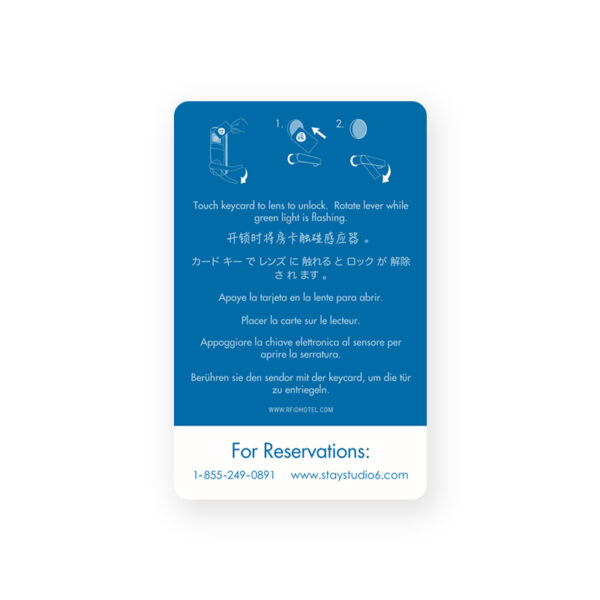
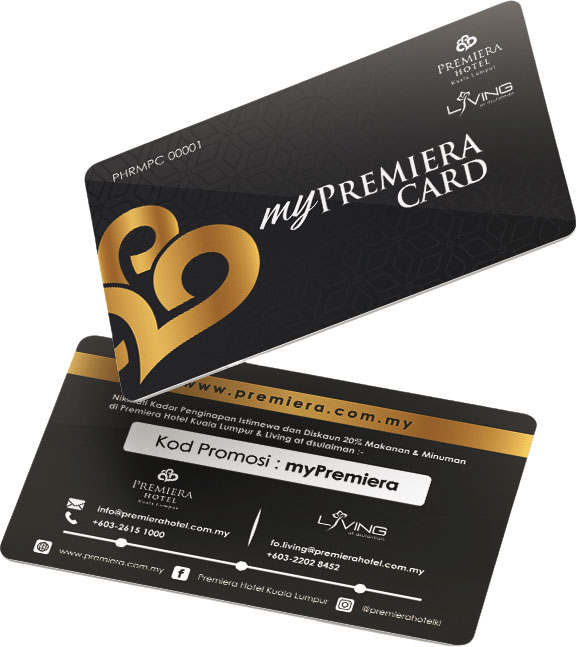 RFID technology uses electromagnetic fields to automatically identify and track tags attached to objects. In hotels, these tags are embedded in key cards, wristbands, or even mobile devices. The system comprises a reader (often installed on door locks) and a tag (the card). When the card is brought near the reader, it communicates via radio waves, granting access if authorized. This contactless method is faster, more secure, and more durable than magnetic stripes, which can demagnetize easily.
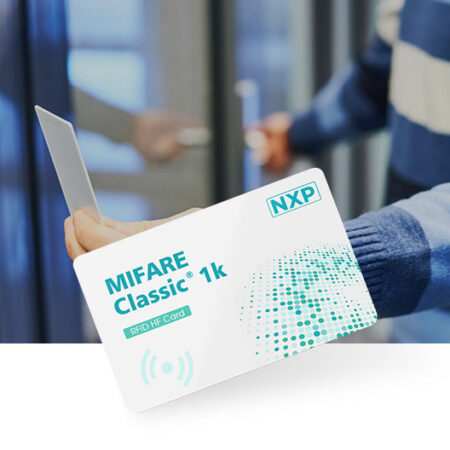
Hotels primarily use two types of RFID cards: **Low-Frequency (LF) RFID** and **High-Frequency (HF) RFID**, with HF being more common due to its compatibility with NFC (Near Field Communication) standards. LF RFID operates at 125 kHz and is known for its reliability in short-range applications, such as door access. HF RFID, operating at 13.56 MHz, offers faster data transfer and is used for multi-functional purposes like room access, payment, and loyalty programs. Some luxury hotels are also exploring **Ultra-High-Frequency (UHF) RFID** for inventory management and asset tracking, though this is less common in guest-facing applications.
From my experience working with hotel management systems, I've seen how RFID cards streamline operations. During a project at a resort, we implemented HF RFID wristbands that served as room keys, payment methods, and access to amenities. Guests loved the convenience—no more fumbling for cards at the pool or spa. One guest shared how t
RFID technology uses electromagnetic fields to automatically identify and track tags attached to objects. In hotels, these tags are embedded in key cards, wristbands, or even mobile devices. The system comprises a reader (often installed on door locks) and a tag (the card). When the card is brought near the reader, it communicates via radio waves, granting access if authorized. This contactless method is faster, more secure, and more durable than magnetic stripes, which can demagnetize easily.
Hotels primarily use two types of RFID cards: **Low-Frequency (LF) RFID** and **High-Frequency (HF) RFID**, with HF being more common due to its compatibility with NFC (Near Field Communication) standards. LF RFID operates at 125 kHz and is known for its reliability in short-range applications, such as door access. HF RFID, operating at 13.56 MHz, offers faster data transfer and is used for multi-functional purposes like room access, payment, and loyalty programs. Some luxury hotels are also exploring **Ultra-High-Frequency (UHF) RFID** for inventory management and asset tracking, though this is less common in guest-facing applications.
From my experience working with hotel management systems, I've seen how RFID cards streamline operations. During a project at a resort, we implemented HF RFID wristbands that served as room keys, payment methods, and access to amenities. Guests loved the convenience—no more fumbling for cards at the pool or spa. One guest shared how t
New RFID Protection Modules
Discover our 6 new specialized modules designed to enhance RFID security and user experience.
Advanced Signal Encryption
Advanced encryption algorithms to protect RFID signals from interception and cloning attempts.
Military-Grade Protection
Uses AES-256 encryption to secure your RFID data against unauthorized access.
Multi-Frequency Protection
Protects against multiple RFID frequency bands (LF, HF, UHF) for comprehensive security coverage.
Full Spectrum Defense
Covers 125 kHz to 960 MHz frequency range, protecting all types of RFID cards.
Smart Threat Detection
AI-powered detection of suspicious RFID scanning attempts and alerts you in real-time.
AI-Powered Security
Machine learning algorithms detect and classify RFID threats with 99.7% accuracy.
Portable Power Bank Integration
Combines RFID protection with portable charging capabilities for your mobile devices.
Dual Functionality
5000mAh battery provides emergency charging while maintaining RFID protection.
Biometric Authentication Layer
Adds fingerprint or facial recognition to control access to your RFID protected items.
Biometric Security
Only authorized users can access RFID cards, adding an extra layer of security.
Travel Security Companion
Specialized features for travelers including passport protection and location tracking.
Travel-Focused Security
GPS tracking, passport protection, and multi-currency RFID card protection.
RFID Security Statistics & Trends
Latest statistics show growing RFID threats and the increasing importance of protection technology.
Future of RFID Blocking Technology
As RFID technology evolves, so does blocking technology. Future blocking cards may be smarter and integrate more functions.
Upcoming Innovations: AI-powered threat detection, biometric authentication, integration with mobile security apps, and blockchain-based identity protection.