Do safeguard cards really work - Fast & Reliable Top1-5
# Do Safeguard Cards Really Work? An In-Depth Look at RFID & NFC Security
In today's digital age, the question "Do safeguard cards really work?" is more relevant than ever. With the rise of contactless payment methods, access control systems, and smart identification, technologies like RFID (Radio Frequency Identification) and NFC (Near Field Communication) have become ubiquitous. However, this convenience comes with potential security risks, leading many to turn to products like RFID-blocking safeguard cards for protection. This article explores the effectiveness of these security tools, delves into the technology behind them, and provides practical insights into safeguarding your personal data.
 ## Understanding RFID and NFC Technology
 Before assessing the effectiveness of safeguard cards, it's crucial to understand the technologies they aim to protect against. RFID and NFC are both wireless communication technologies that enable data transfer over short distances. While they share similarities, they have distinct applications and operational characteristics.
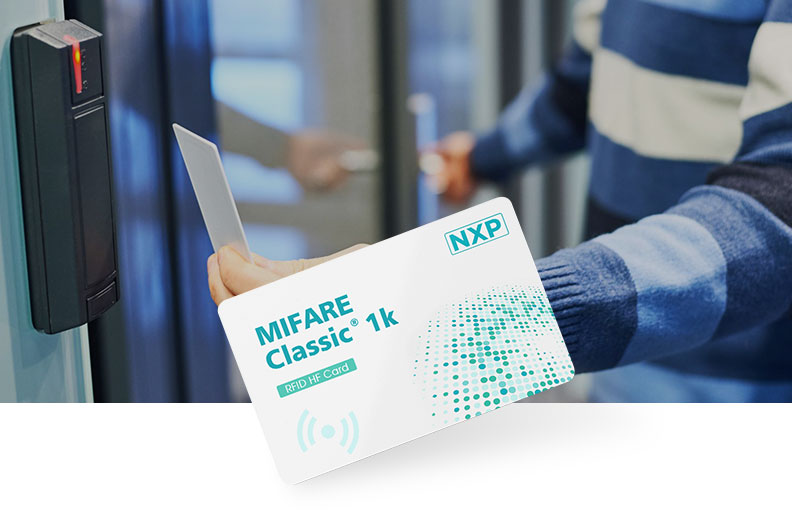
 **RFID Technology:** RFID systems consist of tags and readers. Tags, which can be passive (powered by the reader's signal) or active (with their own power source), store data that can be read remotely. Common applications include inventory tracking, pet microchipping, and some access cards. Operating frequencies vary, including low frequency (LF: 125-134 kHz), high frequency (HF: 13.56 MHz), and ultra-high frequency (UHF: 860-960 MHz).
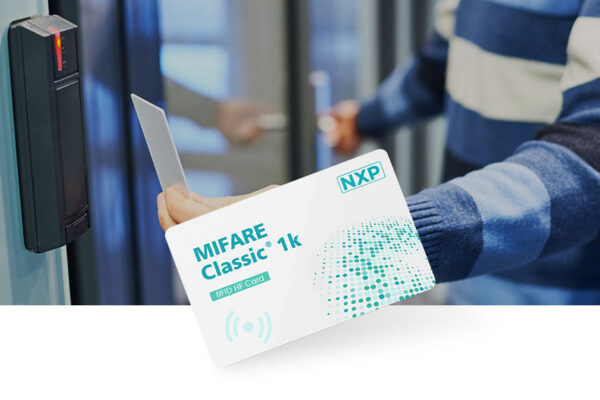 **NFC Technology:** A subset of RFID, NFC operates at 13.56 MHz and is designed for very short-range communication (typically less than 4 inches). It enables two-way interaction, making it ideal for contactless payments (like Apple Pay or Google Wallet), data sharing between smartphones, and secure access systems. Its built-in security features, such as encryption in payment systems, offer a layer of protection not always present in standard RFID.
From my personal experience, while traveling in Europe, I relied heavily on contactless payments via NFC-enabled cards and my phone. The convenience was undeniable—tap and go at terminals, quick transit access. However, I also recall a moment of unease in a crowded train station, wondering if someone nearby could potentially skim my card data. This prompted me to research protective solutions, leading me to test various RFID-blocking products,
**NFC Technology:** A subset of RFID, NFC operates at 13.56 MHz and is designed for very short-range communication (typically less than 4 inches). It enables two-way interaction, making it ideal for contactless payments (like Apple Pay or Google Wallet), data sharing between smartphones, and secure access systems. Its built-in security features, such as encryption in payment systems, offer a layer of protection not always present in standard RFID.
From my personal experience, while traveling in Europe, I relied heavily on contactless payments via NFC-enabled cards and my phone. The convenience was undeniable—tap and go at terminals, quick transit access. However, I also recall a moment of unease in a crowded train station, wondering if someone nearby could potentially skim my card data. This prompted me to research protective solutions, leading me to test various RFID-blocking products,
Future of RFID Blocking Technology
As RFID technology evolves, so does blocking technology. Future blocking cards may be smarter and integrate more functions.
Key Trends: Integration with digital security apps, biometric authentication, and multi-layer protection systems.
Legal Aspect of RFID Privacy Protection
Different countries and regions have different laws regarding RFID privacy protection. Understand your rights and legal protections.
RFID Security Statistics & Trends
Understanding the current landscape of RFID security helps you make informed decisions about protection.
These statistics highlight the growing importance of RFID protection in today's digital age.
RFID Blocking Card Price Comparison
Compare different RFID blocking card options to find the best value for your needs.
- Blocks RFID signals
- Slim design
- 1-year warranty
- No multi-device protection
- Advanced signal blocking
- Multi-card protection
- 3-year warranty
- Water-resistant design
- 2 blocking cards
- RFID-blocking wallet
- 5-year warranty
- Free security guide
Note: Prices may vary based on retailer and promotional offers. Always purchase from authorized sellers.