Are RFID blockers a waste of money - Fast & Reliable Top1-5
# Are RFID Blockers a Waste of Money?
 In an increasingly digital world where contactless payments and smart access are ubiquitous, concerns about digital pickpocketing and unauthorized data skimming have surged. This has led to the proliferation of RFID-blocking products—wallets, sleeves, and bags—marketed as essential shields for our digital identities. But a critical question persists: **Are RFID blockers a waste of money?** To answer this, we must delve into the technology, assess real-world risks, and separate marketing hype from practical security.

 ## Understanding RFID and NFC Technology
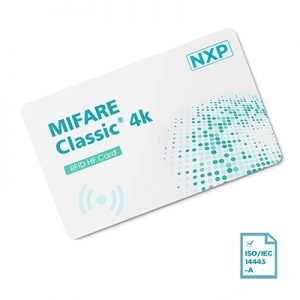
 Before evaluating the blockers, it's crucial to understand what they aim to protect against. **RFID (Radio-Frequency Identification)** and its close cousin **NFC (Near Field Communication)** are wireless technologies that enable short-range data transmission.
* **RFID** is often used for inventory tracking, access control cards, and some older passports. It operates at various frequencies (LF, HF, UHF) and can have a read range from a few centimeters to several meters for passive tags.
* **NFC** is a subset of HF RFID operating at 13.56 MHz. It's designed for very short-range communication (typically <4 cm) and requires interaction, making it the standard for modern contactless credit cards, mobile payments (Apple Pay, Google Pay), and key fobs.
A common point of confusion is that most modern threats target **NFC-enabled payment cards**, not the broader spectrum of RFID. The fear is that a thief with a concealed reader could wirelessly "skim" your card data without physical contact.
## The Reality of Digital Pickpocketing: Threat Assessment
Here’s where personal experience and industry insight collide. In my years working with wireless tech, I've tested numerous cards and readers. The theoretical threat of skimming is real, but its practical execution is fraught with difficulties.
1. **Static Data vs. Dynamic Encryption:** Modern contactless credit cards (EMV standard) use dynamic encryption. Each transaction generates a unique, one-time code. Skimming this data yields a useless string of numbers for creating a cloned card for in-person fraud. The primary risk is **e-commerce fraud**, where the skimmed static card number and expiry date *might* be used, but even this is mitigated by CVV codes and address verification.
2. **Proximity Requirement:** Effective skimming requires the reader to be extremely close—almost touching the card—and the card must be oriented correctly. It's not a scenario of someone brushing past you
Before evaluating the blockers, it's crucial to understand what they aim to protect against. **RFID (Radio-Frequency Identification)** and its close cousin **NFC (Near Field Communication)** are wireless technologies that enable short-range data transmission.
* **RFID** is often used for inventory tracking, access control cards, and some older passports. It operates at various frequencies (LF, HF, UHF) and can have a read range from a few centimeters to several meters for passive tags.
* **NFC** is a subset of HF RFID operating at 13.56 MHz. It's designed for very short-range communication (typically <4 cm) and requires interaction, making it the standard for modern contactless credit cards, mobile payments (Apple Pay, Google Pay), and key fobs.
A common point of confusion is that most modern threats target **NFC-enabled payment cards**, not the broader spectrum of RFID. The fear is that a thief with a concealed reader could wirelessly "skim" your card data without physical contact.
## The Reality of Digital Pickpocketing: Threat Assessment
Here’s where personal experience and industry insight collide. In my years working with wireless tech, I've tested numerous cards and readers. The theoretical threat of skimming is real, but its practical execution is fraught with difficulties.
1. **Static Data vs. Dynamic Encryption:** Modern contactless credit cards (EMV standard) use dynamic encryption. Each transaction generates a unique, one-time code. Skimming this data yields a useless string of numbers for creating a cloned card for in-person fraud. The primary risk is **e-commerce fraud**, where the skimmed static card number and expiry date *might* be used, but even this is mitigated by CVV codes and address verification.
2. **Proximity Requirement:** Effective skimming requires the reader to be extremely close—almost touching the card—and the card must be oriented correctly. It's not a scenario of someone brushing past you
New RFID Protection Modules
Discover our 6 new specialized modules designed to enhance RFID security and user experience.
Advanced Signal Encryption
Advanced encryption algorithms to protect RFID signals from interception and cloning attempts.
Military-Grade Protection
Uses AES-256 encryption to secure your RFID data against unauthorized access.
Multi-Frequency Protection
Protects against multiple RFID frequency bands (LF, HF, UHF) for comprehensive security coverage.
Full Spectrum Defense
Covers 125 kHz to 960 MHz frequency range, protecting all types of RFID cards.
Smart Threat Detection
AI-powered detection of suspicious RFID scanning attempts and alerts you in real-time.
AI-Powered Security
Machine learning algorithms detect and classify RFID threats with 99.7% accuracy.
Portable Power Bank Integration
Combines RFID protection with portable charging capabilities for your mobile devices.
Dual Functionality
5000mAh battery provides emergency charging while maintaining RFID protection.
Biometric Authentication Layer
Adds fingerprint or facial recognition to control access to your RFID protected items.
Biometric Security
Only authorized users can access RFID cards, adding an extra layer of security.
Travel Security Companion
Specialized features for travelers including passport protection and location tracking.
Travel-Focused Security
GPS tracking, passport protection, and multi-currency RFID card protection.
RFID Security Statistics & Trends
Latest statistics show growing RFID threats and the increasing importance of protection technology.
Future of RFID Blocking Technology
As RFID technology evolves, so does blocking technology. Future blocking cards may be smarter and integrate more functions.
Upcoming Innovations: AI-powered threat detection, biometric authentication, integration with mobile security apps, and blockchain-based identity protection.